freeCodeCamp: Open - Source TypeScript Repository for Free Math, Programming and CS Learning
freeCodeCamp: An open-source TypeScript repository for free math, programming, and CS learning. Boasting 426k+ GitHub stars, it has helped 100k+ people land their first developer job, redefining accessible, effective coding education as a practical alternative to expensive bootcamps or disorganized tutorials.
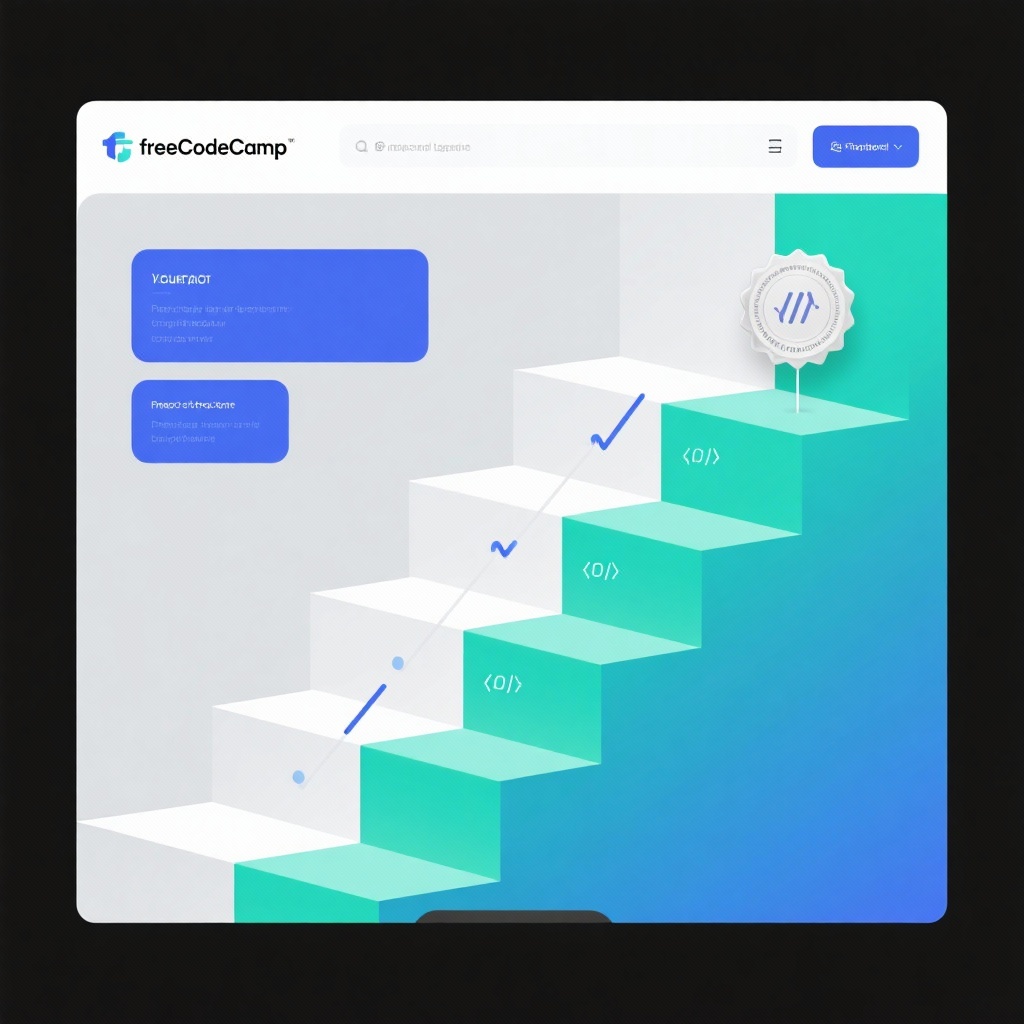
freeCodeCamp: The Free Coding Education Platform That Actually Works
If you've ever wanted to learn programming but been deterred by expensive bootcamps or disorganized online tutorials, you need to know about freeCodeCamp. With over 426,000 stars on GitHub and a track record of helping more than 100,000 people land their first developer job, this open-source project has redefined what free coding education can look like.
What Makes freeCodeCamp Different?
At its core, freeCodeCamp solves three critical problems in coding education: accessibility, practicality, and motivation. Unlike many platforms that lock core content behind paywalls, freeCodeCamp offers its entire curriculum completely free of charge (supported by donations and sponsorships). But what truly sets it apart is its project-based learning approach.
Structured Learning Paths with Real Projects
freeCodeCamp isn't just random tutorials thrown together. It offers 12 comprehensive certifications covering everything from web development to machine learning. Each certification follows a proven pattern: learn concepts through interactive challenges, then apply them by building 5 substantial projects. For example, the Responsive Web Design certification culminates in building a survey form, tribute page, technical documentation page, product landing page, and personal portfolio—all of which you can showcase to potential employers.
What I appreciate most is the balance between guided learning and creative freedom. The projects come with specific user stories and automated tests to ensure you're on the right track, but you have full control over the design and implementation details. This mirrors real-world development more accurately than pure tutorial-following.
Technical Implementation That Powers Learning
Under the hood, freeCodeCamp is built with TypeScript, which speaks to its commitment to modern development practices. The platform's technical architecture includes:
- A sophisticated automated testing system that provides immediate feedback on your code
- A modular curriculum structure that allows for continuous improvement
- Integration with external tools like CodePen and Replit for project development
- A robust community platform with forums and Discord
As an open-source project, it's also a learning resource in itself. You can dive into their codebase to see how they've built features like their interactive code editor or certification verification system—something I've personally done to learn about scalable React applications.
How It Compares to Other Learning Platforms
I've tried most major coding platforms, and freeCodeCamp stands out in several key ways:
vs. Codecademy: While Codecademy offers a more polished UI, freeCodeCamp's projects are significantly more substantial, and you won't hit a paywall after the first few lessons.
vs. Udemy: Udemy has excellent courses, but lacks the structured progression and community support. You also have to pay per course, which adds up quickly.
vs. Bootcamps: Bootcamps provide accountability but at a cost of $10,000+. freeCodeCamp requires more self-discipline but delivers comparable (and sometimes better) practical skills.
The tradeoff is that freeCodeCamp demands more self-direction. There's no instructor holding your hand, which can be challenging for complete beginners.
The Pros and Cons (From Someone Who's Used It Extensively)
What freeCodeCamp Does Exceptionally Well
-
Completely free, no strings attached - You can earn all certifications without ever entering a credit card.
-
Project-focused learning - Instead of just learning concepts, you're building portfolio-worthy projects from day one.
-
Verified certifications - Employers recognize freeCodeCamp certifications because they know the projects require real skills.
-
Active community support - The forum and Discord server mean you rarely get stuck for long. I've had questions answered within minutes.
-
Open-source transparency - You can see exactly how the platform works and even contribute to its improvement.
Where It Falls Short
-
Self-paced can mean slow progress - Without external deadlines, it's easy to procrastinate. I recommend setting your own milestones.
-
Some courses show their age - A few sections still teach older technologies like jQuery, though they're gradually updating the curriculum.
-
Limited advanced content - While great for foundations, you'll need supplementary resources for specialized fields like advanced machine learning.
-
No direct mentorship - Community help is fantastic, but you won't get personalized feedback on your code style or career path.
Who Should (and Shouldn't) Use freeCodeCamp?
freeCodeCamp is ideal for:
- Complete beginners looking for a structured introduction to coding
- Career switchers who need to build practical skills without quitting their job
- Self-motivated learners who prefer learning at their own pace
- Budget-conscious individuals who can't afford paid bootcamps or courses
It might not be the best fit if:
- You need constant external accountability to stay on track
- You're already an experienced developer looking for advanced specialization
- You prefer video lectures over reading and interactive coding
My Personal Experience and Recommendation
I've recommended freeCodeCamp to dozens of friends looking to get into tech, and the results speak for themselves. One friend went from zero coding experience to a frontend developer job in 11 months using only freeCodeCamp and supplemental YouTube tutorials (which freeCodeCamp also provides!).
My advice is to treat it like a part-time job if you're serious about career transition—aim for 10-15 hours per week minimum. Start with the Responsive Web Design certification to build foundational skills, then move to JavaScript Algorithms and Data Structures. Complete the projects meticulously—they'll be the centerpiece of your portfolio2.
The certifications aren't just pieces of paper.2 When I interviewed for my first developer role, the hiring manager specifically mentioned my freeCodeCamp projects as what got me the interview.2
Final Thoughts
freeCodeCamp isn't perfect, but it's the closest thing to a "free bootcamp" that actually delivers results. Its open-source model ensures it will continue to evolve, and its community ensures you're never truly learning alone.
If you're considering learning to code, especially if cost is a barrier, freeCodeCamp is hands down the best place to start. Just remember: the certifications don't earn you a job—the projects you build and the skills you develop do. And freeCodeCamp gives you the perfect framework to build those skills.
Give it six months of consistent effort, and I think you'll be as impressed as I am. Happy coding! 🚀