Vue 2 to Vue 3 Migration: 2025 Legacy Project Guide
Navigating Vue 2 EOL challenges in 2025? This guide simplifies Vue 2 to Vue 3 migration for legacy projects, addressing security gaps, compliance needs, and maintenance hurdles post-Vue 2 support end. Learn actionable steps to modernize your Vue 2 legacy application smoothly.
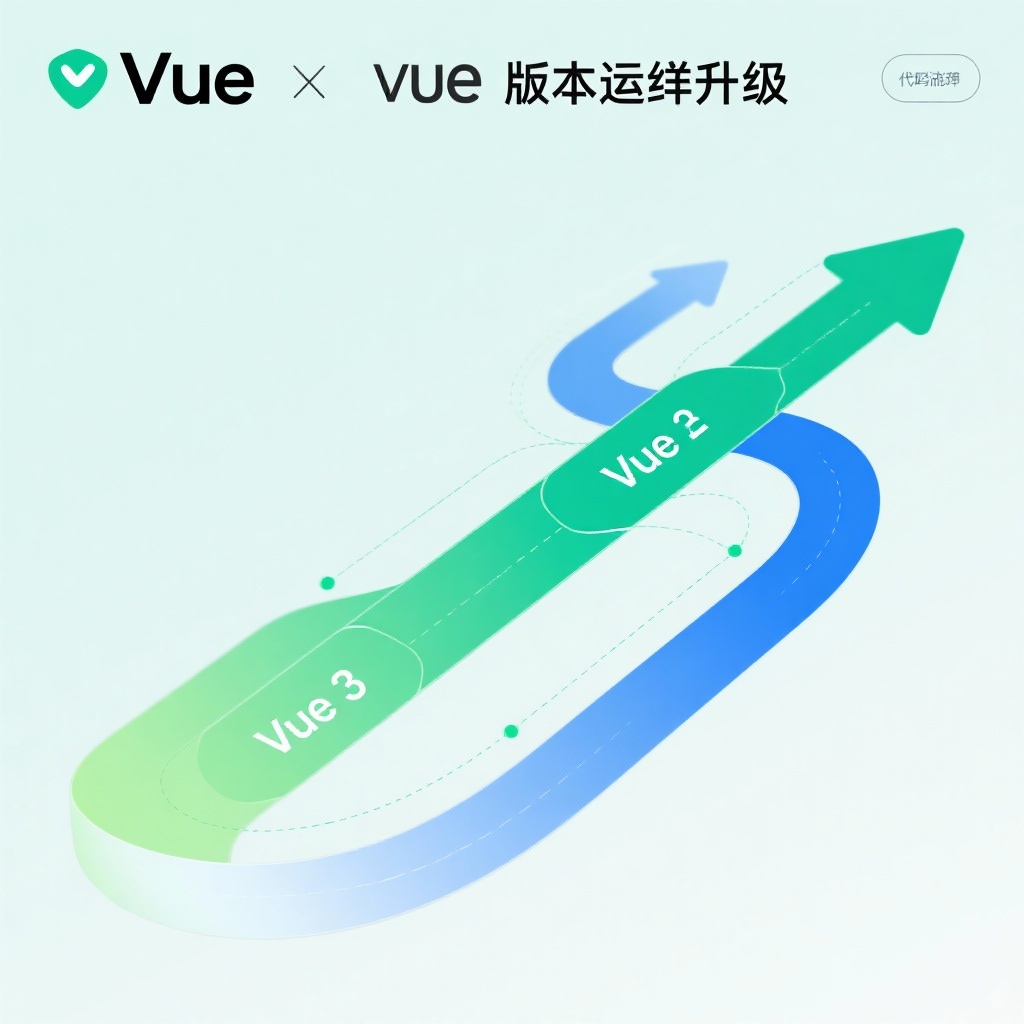
Vue 2 in 2025: Navigating EOL, Migration Challenges, and Security Risks
In the ever-evolving landscape of JavaScript frameworks, Vue 2 remains a significant chapter in web development history. With over 209,000 stars on GitHub and once powering millions of applications worldwide, this progressive framework revolutionized how developers built user interfaces. However, with Vue 2 reaching its End of Life (EOL) on December 31, 2023, the question for thousands of development teams in 2025 is clear: How should we handle our legacy Vue 2 applications? This article explores the current state of Vue 2, the critical security implications of maintaining it, migration strategies to Vue 3, and the options available for organizations with unavoidable legacy dependencies.
Understanding Vue 2's End of Life Status
Vue 2, first released in 2016, quickly gained popularity for its approachable API, reactive data binding, and incremental adoption model. However, as of December 31, 2023, the Vue.js team officially ended all maintenance for Vue 2. This means no new features, bug fixes, performance improvements, or—most critically—security patches are being released. The repository at github.com/vuejs/vue now serves as an archive, with active development shifted entirely to Vue 3 (maintained at vuejs/core).
For developers and organizations still running Vue 2 applications in 2025, this EOL status presents significant challenges. While the framework continues to function technically, the lack of updates exposes applications to evolving security threats. In an era where cyberattacks grow more sophisticated by the day, relying on an unmaintained JavaScript framework like Vue 2 creates substantial risk, especially for applications handling sensitive user data or operating in regulated industries.
The Security Risks of Vue 2 in 2025
Two years after EOL, the security landscape for Vue 2 has deteriorated significantly. Since the last security update, numerous vulnerabilities have likely been discovered in both Vue 2 itself and its ecosystem dependencies. Common issues affecting unmaintained frameworks include DOM-based vulnerabilities, XSS (Cross-Site Scripting) risks, and compatibility problems with modern browser security features.
For organizations subject to compliance standards like GDPR, HIPAA, or PCI-DSS, continuing to use Vue 2 may violate regulatory requirements. Most compliance frameworks mandate the use of supported software with up-to-date security patches. A security audit revealing an unmaintained Vue 2 implementation could result in fines, legal liabilities, or loss of certification.
The TypeScript integration in Vue 2, while pioneering for its time, also presents unique challenges in 2025. Vue 2's TypeScript support was added post-launch and lacks the native integration found in Vue 3. As TypeScript itself continues to evolve, maintaining type safety in Vue 2 applications becomes increasingly difficult, potentially introducing subtle bugs that compound security risks.
Migration Paths: Moving from Vue 2 to Vue 3
The Vue.js team has provided an official migration guide to facilitate the transition from Vue 2 to Vue 3. While migration requires investment, Vue 3 offers substantial improvements, including better performance, a more powerful reactivity system based on ES6 Proxies, the Composition API for more flexible code organization, and superior TypeScript support.
Key Migration Steps:
-
Assessment and Planning: Start by evaluating your application's complexity, dependencies, and custom components. Identify which Vue 2 features you're using that have changed in Vue 3 (e.g., filters, event modifiers, or lifecycle hooks).
-
Incremental Adoption Strategy: Vue 3 supports incremental migration through its "hybrid mode," allowing you to run Vue 2 and Vue 3 components side-by-side during the transition. This is particularly valuable for large applications where a complete rewrite isn't feasible.
-
Updating Dependencies: Review your ecosystem tools—vue-router, Vuex (now Pinia), and build tools like vue-cli. Most major libraries have Vue 3-compatible versions, but some older plugins may need replacement.
-
Adopting the Composition API: While Vue 3 supports the Options API familiar to Vue 2 developers, the Composition API offers better code organization for complex logic and improved TypeScript integration. Consider refactoring critical components to leverage this powerful feature.
-
Testing and Validation: Implement comprehensive test coverage before and during migration. Vue 3's improved reactivity system may expose edge cases in your existing code that require adjustment.
Migration Tools and Resources:
- @vue/compat: A compatibility build that allows Vue 3 to run most Vue 2 code with minimal changes
- vue-migration-helper: A CLI tool that scans your codebase for Vue 2 features needing updates
- Vue DevTools: Updated for Vue 3 with improved debugging capabilities
- Vite: The recommended build tool for Vue 3, offering faster development and better optimization than the older vue-cli
Legacy System Solutions: Vue 2 NES and Extended Support
For organizations unable to migrate immediately—whether due to resource constraints, business-critical dependencies, or project timelines—Vue 2 NES (Extended Support) offers a temporary lifeline. Provided by HeroDevs under license from the Vue.js team, Vue 2 NES delivers critical security patches and compliance updates for Vue 2 until at least 2025, with potential extensions available.
Vue 2 NES is not a substitute for migration but rather a risk mitigation strategy for legacy systems. It includes:
- Security vulnerability patches for Vue 2 core
- Critical bug fixes for production-critical issues
- Compliance documentation for regulatory requirements
- Technical support from Vue.js experts
The cost of NES increases over time, incentivizing migration while providing breathing room for organizations with complex transition paths. For applications with millions of lines of code or dependencies on specialized Vue 2 plugins with no Vue 3 equivalents, NES can provide the time needed to plan and execute a phased migration.
Making the Decision: Migrate or Maintain?
Deciding whether to migrate to Vue 3 or maintain a Vue 2 application requires careful consideration of several factors:
Migration Justification Factors:
- Application Lifespan: If your application will be in use for 2+ years, migration to Vue 3 is strongly recommended to avoid accumulating technical debt.
- Development Velocity: Vue 3's improved tooling and APIs often result in faster development cycles once the initial migration is complete.
- Talent Availability: As the industry moves to Vue 3, finding developers experienced in Vue 2 may become increasingly difficult.
- Security Posture: For applications handling sensitive data, the security risks of maintaining Vue 2 likely outweigh migration costs.
Maintenance Justification Factors:
- Immediate Business Constraints: If migration would disrupt critical business operations with insufficient ROI, NES provides a temporary solution.
- End-of-Life Product: If the application is scheduled for retirement within 12-18 months, NES may be more cost-effective than migration.
- Third-Party Dependencies: Applications with irreplaceable Vue 2-specific plugins may require extended support while alternatives are developed.
Conclusion: Navigating the Vue 2 Legacy in 2025
Vue 2's impact on the web development community remains undeniable, but its era of active development has passed. For organizations still using Vue 2 in 2025, the path forward requires decisive action. While migration to Vue 3 represents the long-term solution, Vue 2 NES offers a viable stopgap for legacy systems with compelling reasons to delay transition.
The security risks of maintaining unpatched Vue 2 applications continue to grow with each passing month. In an increasingly regulated digital landscape, compliance requirements alone may necessitate action. The good news is that the Vue.js ecosystem provides robust migration tools and resources, and the community support for Vue 3 is stronger than ever.
Whether you choose immediate migration, a phased approach with hybrid mode, or temporary extended support through Vue 2 NES, the key is to develop a clear strategy. The longer organizations delay addressing their Vue 2 legacy, the more complex and costly the transition becomes. With proper planning, most teams can complete the migration to Vue 3 while maintaining business continuity—and position themselves to leverage the full power of modern web development tools for years to come.