Turso Database: Next-Gen SQLite Alternative for Lightweight SQL in 2025
Turso Database emerges as a top SQLite alternative, revolutionizing lightweight SQL with Rust-powered performance in 2025. This next-gen Rust SQL database balances speed, reliability, and flexibility, boasting 13k+ GitHub stars since 2023. Explore its in-process architecture for streamlined modern data management.
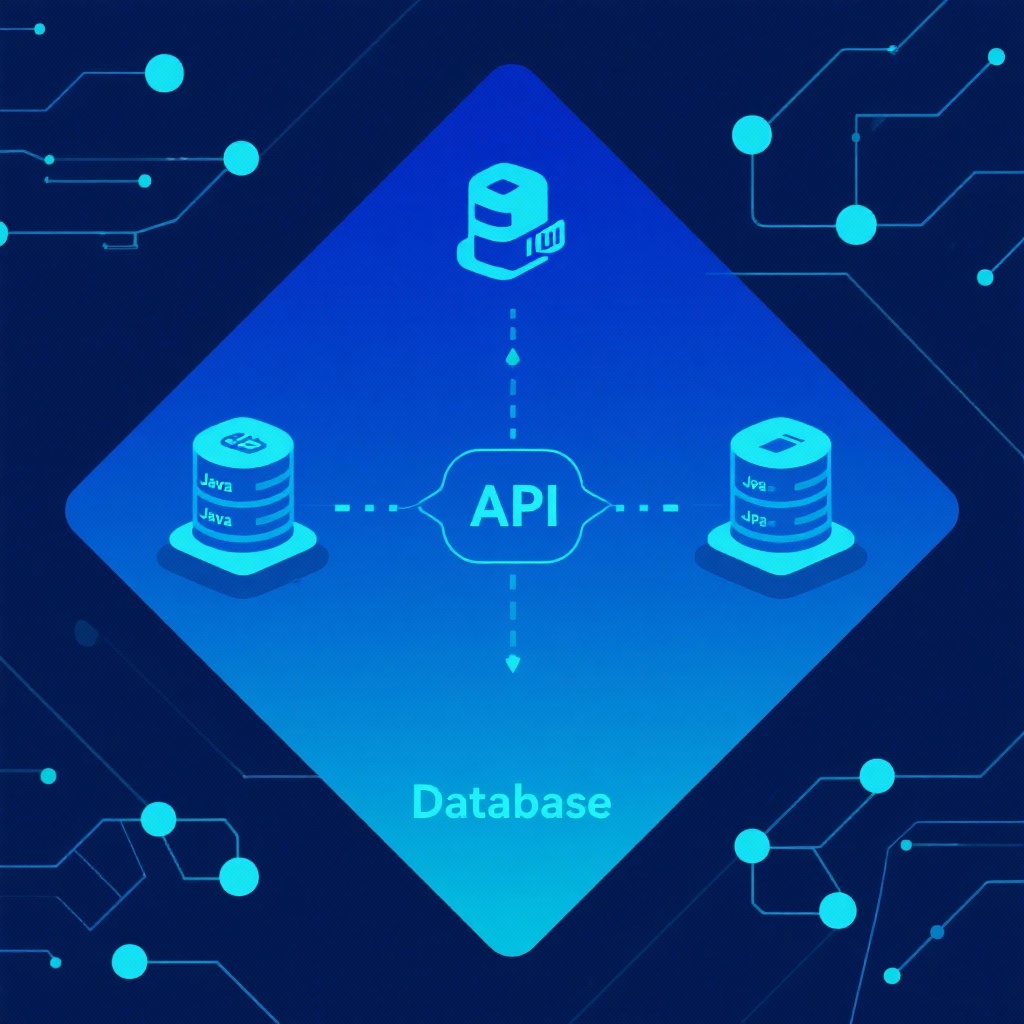
Turso Database: The Next Evolution of SQLite in Rust (2025 Review)
In the rapidly evolving landscape of data management, developers are constantly seeking databases that offer the perfect balance of performance, reliability, and flexibility. Enter Turso Database – a groundbreaking Rust SQL database that has been making waves since its initial release in 2023. As of 2025, this ambitious project has garnered an impressive 13,050 stars on GitHub, solidifying its position as a compelling SQLite alternative for modern application development. Built from the ground up in Rust, Turso aims to redefine what an in-process SQL database can deliver, combining the best aspects of SQLite with innovative features tailored for today's development challenges.
What Makes Turso Database Stand Out?
At its core, Turso Database is designed to be a drop-in replacement for SQLite while addressing many of its limitations. The project's tagline – "An in-process SQL database, compatible with SQLite" – succinctly captures its mission. But what truly sets Turso apart is its foundation in Rust, a language renowned for memory safety, performance, and concurrency.
One of the most significant advantages of Turso over traditional SQLite is its native support for asynchronous I/O on Linux using io_uring, which dramatically improves performance for I/O-bound operations. This makes Turso an excellent choice for applications requiring high throughput and low latency, characteristics that are increasingly important in modern microservices and edge computing environments.
Core Features of Turso Database
Turso Database packs an impressive array of features that cater to the needs of contemporary developers:
SQLite Compatibility
Turso maintains compatibility with SQLite's SQL dialect, file formats, and C API, allowing developers to migrate existing projects with minimal effort. This compatibility ensures that teams can leverage their existing SQLite knowledge while benefiting from Turso's enhancements.
Change Data Capture (CDC)
For developers building real-time applications, Turso's built-in CDC support is a game-changer. This feature enables real-time tracking of database changes, making it easier to implement event-driven architectures and keep distributed systems in sync.
Multi-language Support
Recognizing the diverse needs of developers, Turso offers bindings for multiple programming languages, including Turso JavaScript, Turso Python, Rust, Go, Java, and even WebAssembly. This extensive language support ensures that Turso can seamlessly integrate into virtually any tech stack.
Vector Support
In an era where AI and machine learning are becoming ubiquitous, Turso's vector support is particularly noteworthy. The database includes support for exact search and vector manipulation, opening up possibilities for building intelligent applications with embeddings directly in the database.
Improved Schema Management
Turso addresses one of SQLite's most frustrating limitations with extended ALTER support and faster schema changes. This improvement alone can save developers countless hours when evolving database schemas in production environments.
Getting Started with Turso Database
Getting up and running with Turso is straightforward, thanks to its comprehensive tooling and documentation. For those who prefer working with the command line, installation is as simple as:
shell
curl --proto '=https' --tlsv1.2 -LsSf \
  https://github.com/tursodatabase/turso/releases/latest/download/turso_cli-installer.sh | sh
Once installed, you can launch the interactive shell with tursodb and start executing SQL commands immediately.
For Rust developers, integrating Turso into a project is equally simple:
rust
cargo add turso

let db = Builder::new_local("sqlite.db").build().await?;
let conn = db.connect()?;

let res = conn.query("SELECT * FROM users", ()).await?;
JavaScript developers can use the npm package:
javascript
npm i @tursodatabase/database

import { connect } from '@tursodatabase/database';

const db = await connect('sqlite.db');
const stmt = db.prepare('SELECT * FROM users');
const users = stmt.all();
console.log(users);
And Python developers can install and use Turso with:
python
uv pip install pyturso

import turso

con = turso.connect("sqlite.db")
cur = con.cursor()
res = cur.execute("SELECT * FROM users")
print(res.fetchone())
The MCP Server: Turso's AI Integration
One of the most innovative features introduced in recent Turso releases is the Model Context Protocol (MCP) server. This built-in server allows AI assistants to interact directly with your databases, opening up new possibilities for natural language database interactions. With the MCP server, developers can enable AI tools to perform tasks like schema changes, data insertion, and query execution through simple JSON-RPC requests.
Ideal Use Cases for Turso Database
As a lightweight SQL database with impressive performance characteristics, Turso is well-suited for a variety of use cases:
-
Mobile Applications: Turso's small footprint and cross-platform support make it an excellent choice for mobile apps requiring local data storage.
-
Edge Computing: With its low resource requirements and high performance, Turso shines in edge computing environments.
-
Embedded Systems: Turso's in-process architecture makes it ideal for embedded systems where traditional client-server databases would be overkill.
-
Development and Testing: Turso's SQLite compatibility allows it to serve as a drop-in replacement for SQLite in development environments, providing enhanced features without sacrificing compatibility.
-
Real-time Applications: The built-in CDC support makes Turso a strong candidate for applications requiring real-time data synchronization.
Considerations Before Adoption
While Turso Database shows immense promise, it's important to note that as of 2025, the project is still in ALPHA status. The developers explicitly warn against using it for critical data or production environments. However, with its active development community and impressive feature set, Turso is rapidly moving toward production readiness.
Another consideration is understanding the distinction between Turso Database and Turso's libSQL. While both aim to evolve SQLite, Turso Database takes a ground-up rewrite approach in Rust, whereas libSQL is a fork of SQLite. This fundamental difference gives Turso Database greater flexibility for innovation but means it's trailing libSQL in terms of production readiness.
Conclusion: The Future of In-Process SQL Databases
Turso Database represents an exciting direction for embedded SQL database technology. By combining SQLite's proven reliability with Rust's performance and safety guarantees, Turso is poised to become a leading choice for developers seeking a lightweight yet powerful database solution.
As the project continues to mature, we can expect to see even more impressive features, including the upcoming vector indexing for fast approximate vector search. With its active development community, comprehensive documentation, and growing list of supported languages, Turso Database is definitely a project worth watching.
If you're working on a project that could benefit from a high-performance, SQLite-compatible database with modern features like async I/O and CDC, Turso Database deserves a spot on your shortlist. While it may not be ready for production critical workloads just yet, now is an excellent time to start experimenting with this promising Rust SQL database and contribute to its development.