Bulletproof React Architecture: Build Scalable Production Apps
Discover how bulletproof React architecture helps teams build scalable React applications for production in 2025. This guide addresses common development challenges with standardized, maintainable solutions, focusing on React project structure and best practices to ensure long-term scalability. Perfect for developers seeking robust, production-ready React systems this year.
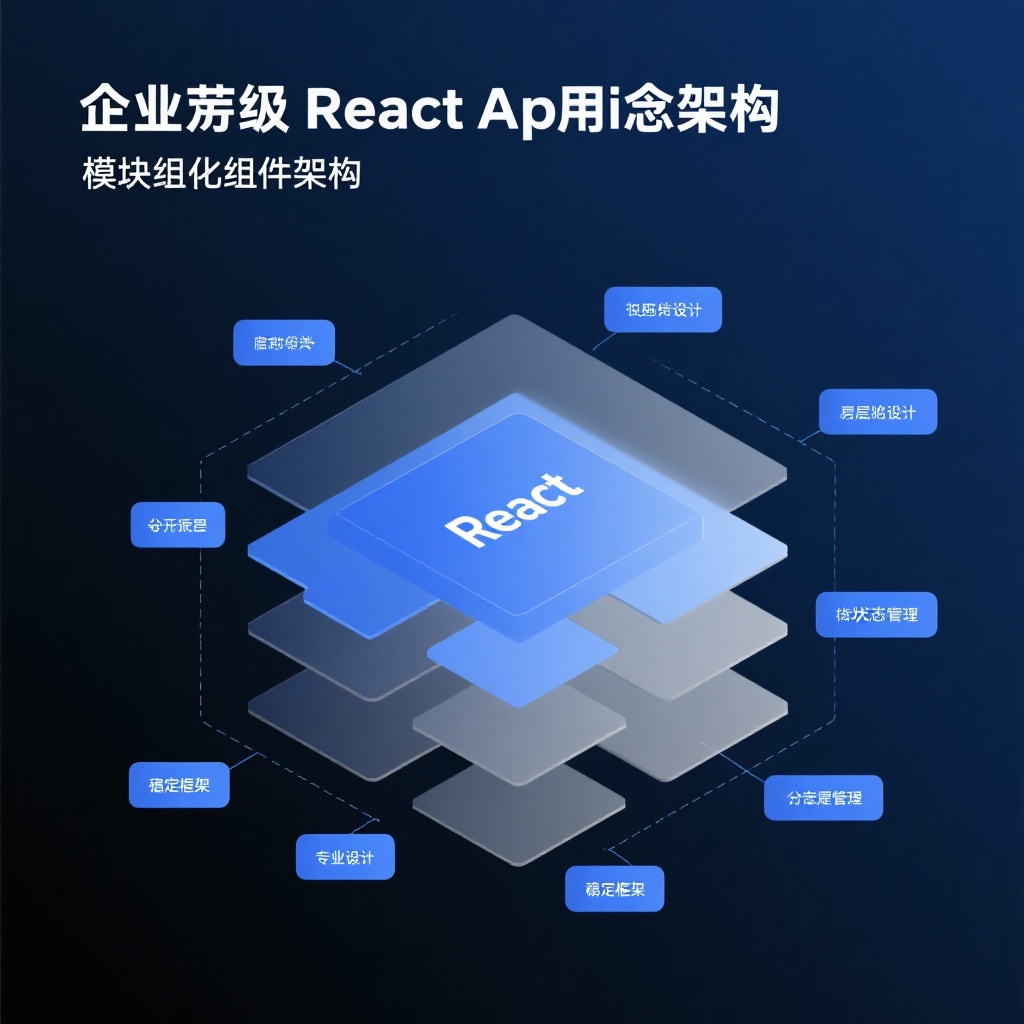
Bulletproof React Architecture: Building Scalable React Applications for Production in 2025
In the fast-paced world of React development, creating maintainable and scalable applications remains a significant challenge for many development teams. As React continues to dominate the front-end landscape in 2025, the need for a standardized, production-ready approach has never been greater. Enter bulletproof react architecture – a comprehensive solution that addresses the common pain points of React development. Created by alan2207 and boasting an impressive 32.8k stars on GitHub, bulletproof-react has established itself as the go-to resource for developers seeking a React production architecture that combines simplicity with scalability. This article explores how this open-source project revolutionizes React TypeScript architecture and provides a robust foundation for building scalable React applications in today's competitive development environment.
The Challenge of React Architecture in Production
React's flexibility is double-edged. While it empowers developers to build applications according to specific project needs, this freedom often leads to inconsistent codebases, especially as projects grow and teams expand. In 2025, with React applications becoming increasingly complex and integrated with diverse backends and third-party services, the lack of architectural standards has resulted in:
- Codebases that become difficult to maintain as they scale
- Inconsistent patterns across different parts of the application
- Challenges in onboarding new developers to projects
- Performance bottlenecks that emerge in production environments
- Security vulnerabilities due to inconsistent implementation practices
These issues are particularly pronounced in enterprise-level applications where React production architecture decisions have long-term implications for development velocity and application reliability.
Introducing Bulletproof React: More Than Just a Project Template
Since its creation in 2021, bulletproof-react has evolved into much more than a simple project template. It represents a collection of best practices, architectural patterns, and tooling recommendations that address the entire lifecycle of React application development. What sets this React application architecture apart is its opinionated yet flexible approach – it provides clear guidance without imposing rigid constraints that might hinder specific project requirements.
The project's core philosophy revolves around creating applications that are:
- Easy to understand and maintain
- Scalable in terms of both codebase and team size
- Equipped with proper error handling and security measures
- Optimized for performance from the start
- Built with testability in mind
In 2025, bulletproof-react continues to stay relevant by incorporating the latest advancements in the React ecosystem while maintaining its focus on fundamental architectural principles that withstand the test of time.
The Well-Structured Bulletproof React Project Structure
One of the most praised aspects of bulletproof-react is its React project structure that scales beautifully with application complexity. Unlike many React starter projects that provide minimal structure, bulletproof-react offers a comprehensive organization system that separates concerns and establishes clear boundaries between different parts of the application.
The architecture is built around these key directories:
src/
├── assets/           # Static files like images, fonts, etc.
├── components/       # Shared/reusable components
│   ├── common/       # Truly generic components (buttons, inputs, etc.)
│   ├── features/     # Feature-specific components
│   └── layouts/      # Layout components
├── config/           # App configuration
├── features/         # Feature modules (the core of the app)
│   ├── [feature]/
│   │   ├── api/      # API calls related to the feature
│   │   ├── components/ # Feature-specific components
│   │   ├── hooks/    # Custom hooks for the feature
│   │   ├── types/    # TypeScript types for the feature
│   │   ├── utils/    # Utility functions for the feature
│   │   └── index.ts  # Public API for the feature
├── hooks/            # Shared custom hooks
├── lib/              # External library configurations and wrappers
├── routes/           # Route definitions
├── store/            # Global state management
├── types/            # Global TypeScript types
├── utils/            # Shared utility functions
└── App.tsx           # Root component
This structure promotes a feature-driven development approach, making it intuitive for developers to locate code and understand where new functionality should be placed. For teams working with Next.js, this structure adapts seamlessly, providing an effective Next.js project structure that aligns with the framework's conventions while maintaining the bulletproof architecture principles.
Core Features and Best Practices
Bulletproof React distinguishes itself by addressing not just project structure but the entire spectrum of React production best practices. Let's explore some of its most valuable contributions:
TypeScript-First Approach
In 2025, TypeScript has become the standard for enterprise React development, and bulletproof-react fully embraces this with a React TypeScript architecture that leverages type safety throughout the application. The project demonstrates how to effectively use interfaces, type definitions, and generics to create more robust code that catches errors at compile time rather than in production.
Comprehensive State Management Strategy
Rather than prescribing a single state management solution, bulletproof-react provides guidelines for choosing the right tool for each scenario:
- Local component state for UI-specific concerns
- React Context for state that spans multiple components
- Zustand/Jotai for more complex global state (with examples of each)
- Server state management using React Query
This pragmatic approach ensures developers don't over-engineer state solutions, using simple tools for simple problems and more powerful solutions when necessary.
Component Design Patterns
The architecture promotes a clear distinction between different component types:
- Page components that handle data fetching and routing
- Container components that manage state and business logic
- Presentational components that focus on UI rendering
- Shared/common components that are reused across features
This separation ensures components remain focused, reusable, and easy to test.
Robust Testing Strategy
Bulletproof React emphasizes the importance of testing at all levels, providing examples of:
- Unit tests for utility functions and hooks
- Component tests using React Testing Library
- Integration tests for feature workflows
- E2E tests for critical user journeys
The project includes CI/CD configurations that run these tests automatically, ensuring code quality is maintained as the application grows.
Implementing Bulletproof React Architecture: A Practical Guide
Adopting bulletproof-react doesn't require a complete rewrite of existing applications. Many teams have successfully implemented its principles incrementally:
-
Start with project structure: Refactor your application's directory organization to follow the feature-driven approach.
-
Adopt TypeScript gradually: Begin by adding types to new features, then incrementally type existing code.
-
Implement testing standards: Start with unit tests for critical utilities and expand to component and integration tests.
-
Establish API layer patterns: Create consistent patterns for data fetching, error handling, and caching.
-
Document architectural decisions: Use bulletproof-react's documentation as a template for your team's specific practices.
For new projects, bulletproof-react can be implemented from the start, saving countless hours of refactoring down the line. The project's examples include configurations for Vite, Next.js, and Create React App, making it adaptable to different development workflows.
Who Should Adopt Bulletproof React Architecture?
While bulletproof-react offers significant benefits, it's particularly valuable for:
- Enterprise teams building complex React applications with multiple developers
- Startups anticipating rapid growth and wanting to avoid architectural debt
- Development agencies that need consistent patterns across multiple client projects
- Teams transitioning to TypeScript from JavaScript
- Organizations prioritizing code quality and maintainability
The architecture scales well from small applications to large enterprise systems, making it suitable for projects of all sizes.
Conclusion: Building for the Future with Bulletproof React
In the ever-evolving landscape of React development, bulletproof-react stands out as a timeless resource that balances modern best practices with fundamental software engineering principles. Its approach to scalable React architecture has helped thousands of developers and teams create applications that remain maintainable and performant as they grow.
By implementing bulletproof react best practices, development teams can:
- Reduce onboarding time for new developers
- Minimize architectural debates during planning
- Catch errors earlier in the development process
- Create more consistent and readable code
- Scale applications without proportional increases in complexity
As React continues to evolve, the principles behind bulletproof-react remain relevant, focusing on separation of concerns, type safety, testability, and maintainability. Whether you're building a small application or a large enterprise system, the bulletproof react architecture provides a foundation that will serve your project well into the future.
In the competitive landscape of 2025, where development velocity and application reliability are critical business advantages, adopting a proven architecture like bulletproof-react isn't just a technical decision—it's a strategic one that pays dividends throughout the entire lifecycle of your application.