Tauri Framework: Build Smaller, Faster, Secure Desktop Apps
The Tauri framework enables developers to build smaller, faster, and more secure cross-platform desktop apps, emerging as a top lightweight alternative to traditional tools. With Rust web frontend capabilities, it delivers high performance and robust security for modern tauri desktop apps. Explore how this framework elevates development efficiency and user experience in 2025.
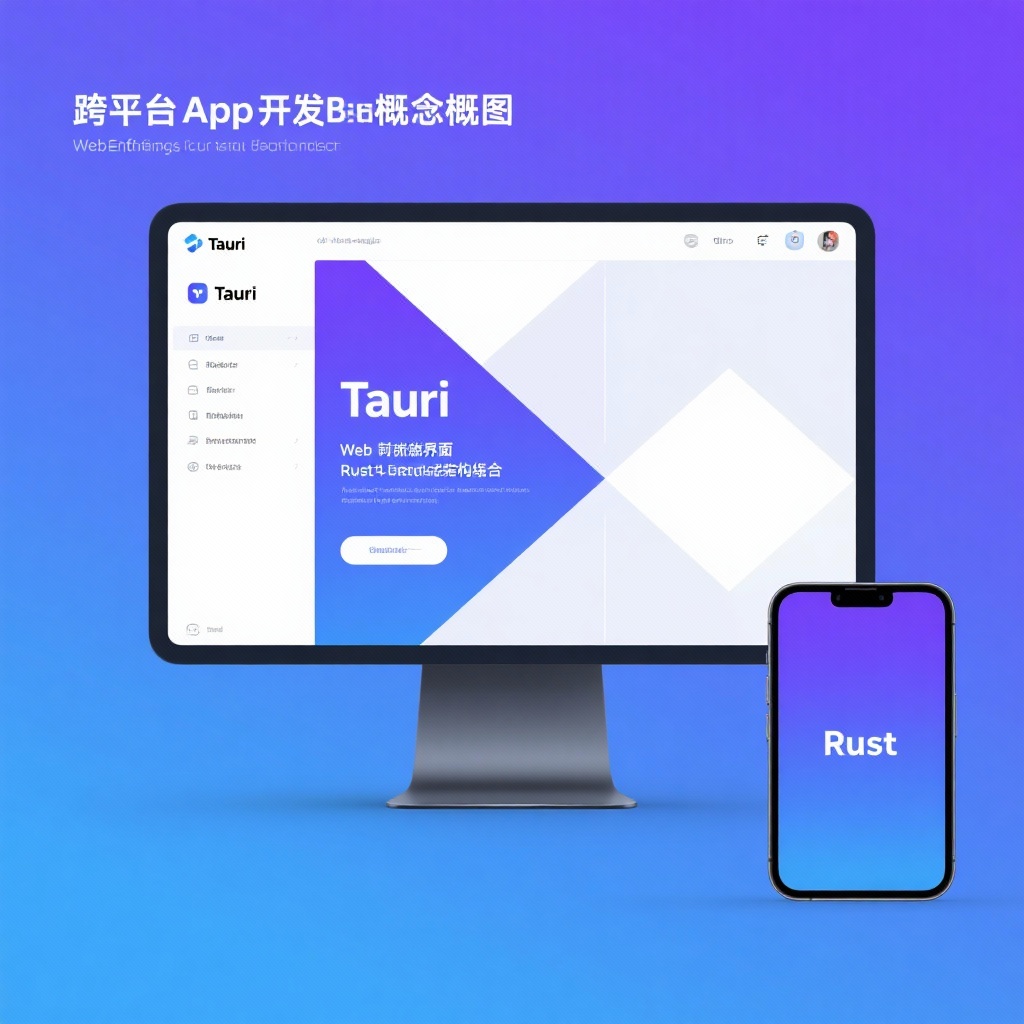
Tauri Framework: Building Lightweight, Fast, and Secure Cross-Platform Applications in 2025
In today's competitive software landscape, developers need tools that deliver high performance, security, and cross-platform compatibility without sacrificing user experience. The Tauri framework has emerged as a leading solution for building lightweight desktop apps with Rust web frontend capabilities, offering a compelling alternative to traditional frameworks. With over 96,460 GitHub stars and 3,062 forks as of 2025, Tauri has proven itself as a mature, reliable Tauri Electron alternative that enables the creation of fast, secure applications across multiple platforms.
Introduction to Tauri Framework
Tauri is an open-source framework that allows developers to build tiny, blazingly fast binaries for all major desktop platforms using familiar web technologies. What makes Tauri unique is its combination of Rust's performance and safety with the flexibility of web frontends, creating a powerful foundation for modern application development.
First launched in 2019, Tauri has steadily evolved into a stable, production-ready framework that addresses many of the limitations of traditional web-to-desktop solutions. Unlike frameworks that bundle entire browsers, Tauri leverages the system's native webview component through its WRY library, which provides a unified interface to platform-specific webviews: WKWebView on macOS & iOS, WebView2 on Windows, and WebKitGTK on Linux.
The framework's architecture separates the frontend (any web technology that compiles to HTML, CSS, and JavaScript) from the backend (a Rust binary), enabling developers to create hybrid applications that combine the best of both worlds. This separation not only enhances security but also contributes to Tauri's impressive performance characteristics.
Why Choose Tauri Over Traditional Solutions?
The Electron Problem
For years, Electron has been the go-to framework for building desktop applications using web technologies. However, Electron-based applications have significant drawbacks, primarily related to size and resource consumption. By bundling the entire Chromium engine and Node.js runtime, even simple Electron apps often exceed 100MB in size and consume substantial system resources.
Tauri's Lightweight Architecture
Tauri takes a fundamentally different approach by utilizing the operating system's built-in webview component rather than packaging a separate browser engine. This architectural decision results in dramatic improvements in both application size and resource usage:
- Smaller footprint: Tauri applications typically start at just 2-10MB, compared to 50-150MB for equivalent Electron apps
- Reduced memory usage: By leveraging system webviews, Tauri apps consume significantly less RAM
- Faster startup times: Tauri applications launch in a fraction of the time required by Electron apps
- Lower CPU utilization: Rust's efficiency combined with native webviews results in better performance with fewer resources
Key Features of Tauri Framework
Cross-Platform Capabilities
Tauri truly shines as a cross-platform solution, supporting Windows (7 and above), macOS (10.15 and above), Linux (with appropriate webkit2gtk versions), and increasingly robust mobile support for Android and iOS. This broad compatibility makes Tauri an excellent choice for developers looking to target multiple platforms with a single codebase.
The framework handles platform-specific details internally, allowing developers to focus on creating great user experiences rather than managing different build processes and platform idiosyncrasies.
Performance and Size Benefits
Tauri's performance advantages stem from multiple factors:
- Rust backend: The core of Tauri applications is written in Rust, providing memory safety, minimal overhead, and excellent performance
- Native webview rendering: By utilizing platform-optimized webviews, Tauri avoids the bloat of bundled browsers
- Efficient communication: The message-passing system between frontend and backend is optimized for minimal latency
- Small binary size: Tauri's stripped-down approach results in significantly smaller application packages
These factors combine to create Tauri desktop apps that feel responsive and lightweight, even on lower-end hardware.
Security by Design
Security is a foundational principle of Tauri's architecture. The framework implements multiple layers of protection:
- Isolation: The frontend and backend run in separate processes with limited communication channels
- Capabilities-based security model: Applications explicitly declare permissions, with no default access to system resources
- Secure defaults: Tauri ships with sensible security defaults, reducing the risk of common vulnerabilities
- Rust's memory safety: The Rust backend eliminates entire classes of memory-related security issues
This security-first approach makes Tauri an excellent choice for applications handling sensitive data or requiring robust protection against exploits.
Mobile Support
While initially focused on desktop platforms, Tauri has expanded to offer mobile app development capabilities for both Android (7.0+) and iOS (9.0+). This means developers can now use the same framework and codebase to target desktop and mobile platforms, significantly reducing development time and complexity.
The mobile implementation maintains Tauri's core principles of performance, security, and small size, making it a compelling alternative to traditional mobile development approaches or cross-platform solutions like React Native.
Getting Started with Tauri Development
Getting started with Tauri is straightforward, thanks to the comprehensive documentation and tooling. The quickest path to creating a new Tauri application is through the create-tauri-app utility:
sh
npm create tauri-app@latestThis command initializes a new project with sensible defaults and allows developers to select their preferred frontend framework. Tauri works seamlessly with all major web frameworks, including React, Vue, Svelte, Angular, and even vanilla JavaScript.
The development workflow will be familiar to web developers, with hot reloading and a similar development experience to traditional web projects. The Rust backend can be extended with custom functionality as needed, with a well-documented API for communication between frontend and backend components.
Real-World Applications and Success Stories
Since its initial release, Tauri has been adopted by a growing number of organizations and developers building production applications. These success stories span various domains:
- Developer tools: IDEs, code editors, and development utilities benefit from Tauri's performance and small footprint
- Productivity applications: Note-taking apps, task managers, and calendar tools leverage Tauri's efficiency
- Media applications: Image viewers, audio players, and video editors take advantage of Tauri's performance capabilities
- Enterprise software: Companies are increasingly adopting Tauri for internal tools and customer-facing applications
The Tauri community has grown substantially, with active Discord channels, regular updates, and a growing ecosystem of plugins and extensions.
Considerations When Adopting Tauri
While Tauri offers many advantages, developers should consider a few factors before adopting the framework:
- Webview differences: While Tauri abstracts many differences, some webview inconsistencies between platforms may require additional testing
- Rust knowledge: While not strictly required for basic applications, custom backend functionality will require familiarity with Rust
- Mobile maturity: While improving rapidly, Tauri's mobile support is not yet as mature as its desktop capabilities
- Ecosystem size: The Tauri ecosystem, while growing, is still smaller than Electron's, meaning fewer pre-built plugins and community solutions
For most applications, these considerations are minor compared to the benefits of Tauri's performance, size, and security advantages.
Conclusion
As we've explored, the Tauri framework represents a significant advancement in cross-platform application development. By combining the flexibility of web frontends with the performance, security, and efficiency of Rust, Tauri offers a compelling alternative to traditional solutions like Electron.
Whether you're building a desktop application that needs to be lightweight and fast, requires robust security features, or aims to target multiple platforms with minimal overhead, Tauri delivers impressive results. Its growing community, stable API, and commitment to continuous improvement make it a framework worth considering for your next project.
In an era where users increasingly value performance and efficiency, Tauri's focus on creating small, fast, and secure applications positions it as a leading choice for modern application development. As the framework continues to evolve and mature, particularly in the mobile space, it's likely to become an even more versatile tool in the developer toolkit.
For developers looking to build the next generation of cross-platform applications without sacrificing performance or security, Tauri represents an exciting path forward.