Supabase Postgres: Build Web, Mobile & AI Apps Easily
Supabase Postgres development platform shines as a leading open-source Firebase alternative, empowering developers to build scalable web, mobile, and AI apps with its robust Postgres-powered backend. This 2025 review highlights its seamless, developer-friendly tools, combining database power with essential features for efficient modern app development.
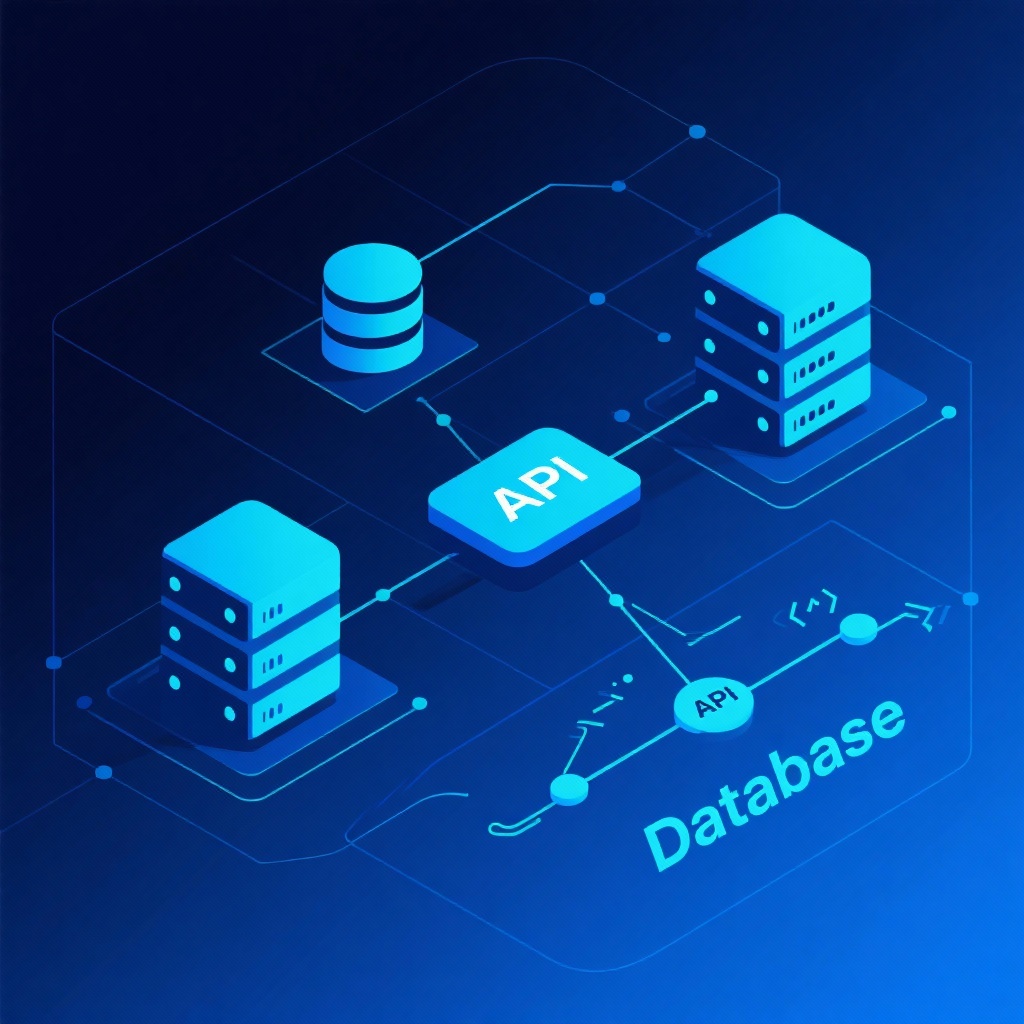
Supabase Postgres Development Platform: The Open Source Firebase Alternative for Modern Apps (2025 Review)
In the rapidly evolving landscape of backend development, finding a comprehensive, scalable, and developer-friendly platform is crucial. Enter Supabase, the open-source Postgres development platform that has gained significant traction since its 2019 launch, now boasting 88,185 stars on GitHub. As we approach 2025, Supabase has solidified its position as a leading Firebase alternative, offering a robust suite of tools built around the power and reliability of PostgreSQL. In this article, we'll explore how Supabase simplifies modern application development through its integrated features including Supabase authentication, realtime API, edge functions, and the newly enhanced AI toolkit with vector embeddings support.
What is Supabase and Why Does It Matter?
At its core, Supabase is not just another database provider—it's a complete backend-as-a-service (BaaS) solution that combines the best of open-source technologies into a cohesive development experience. The project's philosophy centers on providing Firebase-like features using enterprise-grade open-source tools, with PostgreSQL as its foundation.
Unlike proprietary alternatives, Supabase gives developers full control over their data while abstracting away the complexities of infrastructure management. This unique approach has resonated with the developer community, resulting in a thriving ecosystem of 9,758 forks and contributions from hundreds of developers worldwide.
The platform's architecture combines several powerful open-source components:
- PostgreSQL: The robust, ACID-compliant relational database that forms the backbone
- PostgREST: For auto-generated RESTful APIs directly from database schemas
- Realtime: An Elixir server enabling realtime subscriptions to database changes
- GoTrue: For secure authentication and authorization
- Storage API: For file storage with PostgreSQL-managed permissions
- pg_graphql: For GraphQL API capabilities
This modular yet integrated architecture allows developers to pick and choose the components they need while maintaining a unified development experience.
Core Features of Supabase in 2025
1. Supabase Postgres: More Than Just a Database
Supabase's foundation is a fully managed, dedicated PostgreSQL database—providing all the power of PostgreSQL without the operational overhead. Developers get direct access to the database with full SQL capabilities, database triggers, stored procedures, and extensions.
In 2025, Supabase has expanded its PostgreSQL offerings with:
- Enhanced connection pooling for high-traffic applications
- Automated backup and point-in-time recovery
- Fine-grained performance insights and query optimization
- Support for PostgreSQL 16+ features including advanced JSON capabilities and performance improvements
The platform's intuitive dashboard allows even developers new to PostgreSQL to quickly create tables, set up relationships, and manage indexes without writing complex SQL.
2. Supabase Authentication: Secure User Management
Supabase authentication has evolved significantly since the project's inception, now offering one of the most comprehensive identity management systems in the BaaS space. The authentication module supports:
- Email/password authentication with password policies
- Social logins (Google, GitHub, Facebook, Apple, and more)
- Phone authentication with SMS verification
- Magic links and passwordless authentication
- Multi-factor authentication for enhanced security
- Role-based access control (RBAC)
- Row-level security integration with PostgreSQL
The authentication system seamlessly integrates with the database's row-level security, allowing developers to define granular access policies directly in SQL. For example, restricting a user to only access their own data can be implemented with simple policy rules rather than complex middleware.
3. Realtime and GraphQL APIs: Instant Data Sync
One of Supabase's most compelling features is its realtime API capabilities. By leveraging PostgreSQL's replication functionality, Supabase can broadcast database changes to connected clients via websockets with minimal latency.
In 2025, Supabase has enhanced its realtime capabilities with:
- Improved latency (down to 20ms in optimal conditions)
- Selective replication for bandwidth efficiency
- Presence detection for collaborative applications
- Conflict resolution strategies for concurrent edits
Additionally, Supabase's auto-generated GraphQL API provides a flexible alternative to REST, allowing clients to request exactly the data they need. The GraphQL implementation supports subscriptions for realtime updates, making it ideal for modern single-page applications and mobile apps.
4. Edge Functions and Database Functions: Serverless Computing
Supabase offers two complementary serverless computing options:
Edge Functions are globally distributed TypeScript functions that run close to your users, minimizing latency. Built on Deno, these functions can handle HTTP requests, interact with the database, and integrate with other Supabase services. They're particularly well-suited for:
- API route handlers
- Authentication webhooks
- Data transformation
- Lightweight business logic
Database Functions allow developers to write stored procedures in SQL (or PL/pgSQL) that execute directly on the database server. These functions are ideal for:
- Complex data operations
- Transaction management
- Data validation rules
- Scheduled tasks via cron jobs
Both function types integrate seamlessly with Supabase's authentication system, allowing for easy permission checks and user context awareness.
5. Supabase AI Toolkit and Vector Embeddings: Building Intelligent Applications
A standout feature in Supabase's 2025 offering is its integrated AI toolkit with vector embeddings support. This feature set simplifies the development of AI-powered applications by providing:
- Vector storage directly in PostgreSQL using the
vectorextension - OpenAI-compatible embedding generation endpoints
- Similarity search functions for semantic retrieval
- Hybrid search capabilities combining keyword and semantic search
- Integration with popular AI models through edge functions
Developers can store embeddings generated from text, images, or other media types and perform efficient similarity searches without managing separate vector databases. This integration has lowered the barrier to building applications like:
- Semantic search engines
- Recommendation systems
- Chatbots with context awareness
- Content moderation tools
6. File Storage: Secure Asset Management
Supabase Storage provides a scalable solution for managing user-generated content and application assets. Key features include:
- Secure file uploads and downloads with fine-grained access controls
- Automatic image optimization and transformation
- Direct browser uploads without server intermediation
- Integration with Supabase Authentication for permission checks
- Global CDN distribution for low-latency asset delivery
Storage buckets can be configured with different access policies, from public read-only to private with token-based access. The storage API supports resumable uploads for large files and provides detailed usage metrics.
Supabase vs. Firebase: A 2025 Comparison
As a Firebase alternative, Supabase offers several distinct advantages:
| Feature | Supabase | Firebase |
|---|---|---|
| Database | PostgreSQL (relational, SQL) | Firestore (NoSQL document) |
| Open Source | Yes, fully open core | Proprietary, closed source |
| Data Control | Full database access | Limited through SDK |
| Query Capabilities | Full SQL, including joins, aggregates | Firestore query language |
| Realtime Updates | Yes, via PostgreSQL replication | Yes, custom implementation |
| Authentication | Email, OAuth, phone, anonymous | Similar authentication options |
| Serverless Functions | Edge Functions (TypeScript), Database Functions (SQL) | Cloud Functions (Node.js) |
| Storage | Object storage with PostgreSQL permissions | Cloud Storage |
| AI Integration | Native vector storage and AI toolkit | Requires third-party integration |
| Extensibility | PostgreSQL extensions, custom plugins | Limited by Firebase ecosystem |
Supabase particularly shines for teams that value:
- The flexibility and power of a relational database
- Direct database access and SQL proficiency
- Open-source technologies and avoid vendor lock-in
- Advanced data modeling with relationships
- Integration with existing PostgreSQL tools and expertise
Firebase may still be preferable for teams with:
- Heavy investment in the Google Cloud ecosystem
- Preference for document-oriented data models
- Need for certain specialized Firebase services
Practical Use Cases for Supabase in 2025
Supabase's versatility makes it suitable for a wide range of applications. Here are some scenarios where it particularly excels:
1. SaaS Applications
Supabase provides an excellent foundation for SaaS products with features like:
- Multi-tenant database architecture with row-level security
- Built-in authentication with social login options
- Billing webhooks via edge functions
- Analytics dashboard with realtime data
2. Content Management Systems
For custom CMS solutions, Supabase offers:
- Flexible schema design for different content types
- Realtime previews for content editors
- Image optimization through storage transformations
- Role-based access control for editorial teams
3. Real-time Collaborative Tools
Supabase's realtime capabilities enable:
- Collaborative document editing
- Live dashboards with streaming data
- Chat applications with presence indicators
- Multi-user game backends
4. Mobile Applications
Mobile developers benefit from:
- Offline data synchronization capabilities
- Low-latency edge functions close to users
- Authentication with device-specific sessions
- Efficient bandwidth usage through selective subscriptions
5. AI-Powered Applications
With the AI toolkit, developers can build:
- Semantic search engines for document repositories
- Personalized recommendation systems
- Intelligent chatbots with context retention
- Content analysis and categorization tools
Getting Started with Supabase in 2025
Getting started with Supabase is straightforward:
- Sign up for a Supabase account at supabase.com or deploy self-hosted
- Create a project with your preferred region and resources
- Design your database schema using the table editor or SQL
- Set up authentication with your preferred providers
- Integrate the client library into your application
Here's a quick example of initializing Supabase in a TypeScript application:
typescript
import { createClient } from '@supabase/supabase-js'

const supabaseUrl = import.meta.env.VITE_SUPABASE_URL as string
const supabaseAnonKey = import.meta.env.VITE_SUPABASE_ANON_KEY as string

export const supabase = createClient(supabaseUrl, supabaseAnonKey)

// Example: Fetch data with authentication
async function getProtectedData() {
  const { data: { session } } = await supabase.auth.getSession()

  if (!session) {
    throw new Error('User not authenticated')
  }

  const { data, error } = await supabase
    .from('protected_data')
    .select('*')

  if (error) throw error
  return data
}
For local development, Supabase provides a CLI that replicates the entire platform on your machine, ensuring consistency between development and production environments.
Conclusion: Why Supabase Should Be in Your Tech Stack
As we've explored, Supabase has evolved from a promising Firebase alternative to a comprehensive Postgres development platform that addresses the diverse needs of modern application development. Its combination of relational database power, realtime capabilities, serverless functions, and AI tools makes it a compelling choice for developers building everything from simple websites to complex enterprise applications.
The platform's commitment to open-source principles ensures transparency, community-driven improvement, and freedom from vendor lock-in. With 88k+ GitHub stars and a rapidly growing community, Supabase has demonstrated staying power and continues to innovate with features like the AI toolkit and enhanced vector embeddings support.
Whether you're building a SaaS product, a content management system, a realtime collaborative tool, or an AI-powered application, Supabase provides the building blocks you need in a unified, developer-friendly platform. Its TypeScript-first approach, comprehensive documentation, and active community support make it accessible to both beginners and experienced developers alike.
As we move further into 2025, Supabase is well-positioned to continue its growth trajectory, offering an increasingly compelling alternative to both traditional backend development and proprietary BaaS solutions. For developers seeking the perfect balance of productivity, control, and scalability, Supabase deserves serious consideration as the foundation of your next project.